Depardon Domaine de la Bêche, Morgon
| Country & Region | France, Burgundy |
| Appellation(s) | Morgon |
| Producer | Olivier and Ghislaine, Caroline and Alexis Depardon |
| Founded | Family property since 1848; Olivier took reins in 1985. |
| Website | www.domainedelabeche.com |
Domaine de la Bêche was founded deep in the hills of Beaujolais in 1848. Olivier Depardon, the family’s 7th generation, took the reins in 1985 with 4 acres of vines and over the years this industrious man increased the domaine’s holdings to 69 acres. Most of the domaine’s vines are in AOP Morgon, followed by Regnié and then Beaujolais-Villages. New equipment has been purchased and a new cellar was built just before the pandemic.
In 2003 Olivier made the decision to de-stem all the fruit and stop working with whole clusters (but without crushing the grapes, thus enabling gentle ferments with a semi-carbonic result). The domaine still uses the 5,000 and 6,000-liter foudres that its forefathers used, while investing in new ones to fill the new cellar. All fermentations continue to be spontaneous.
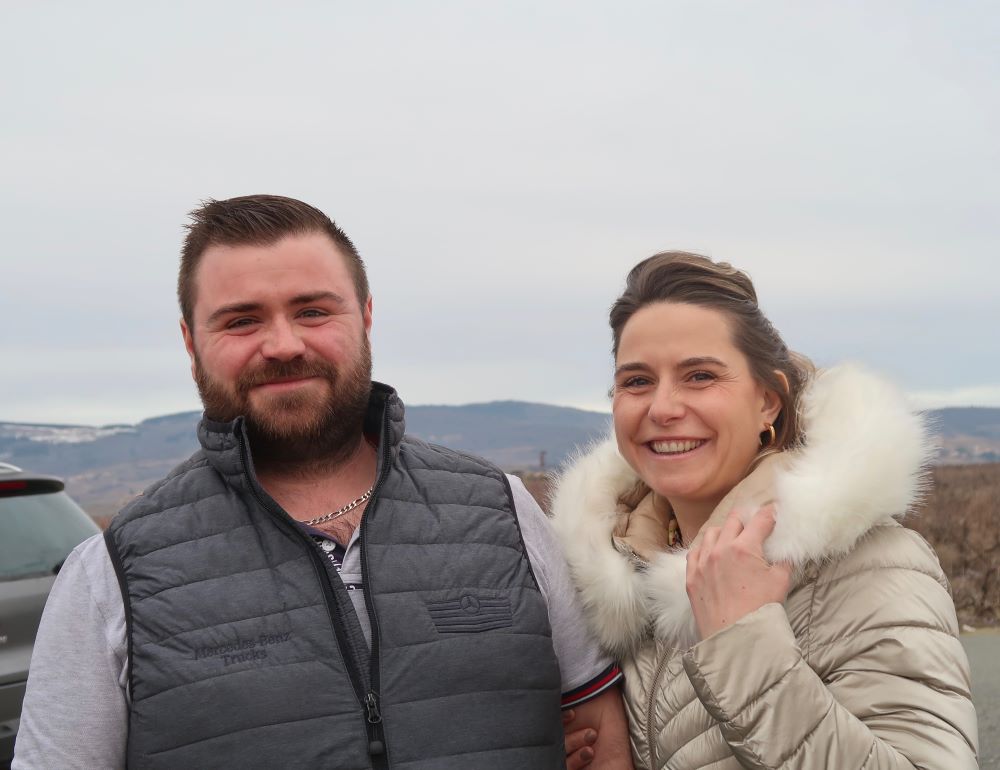
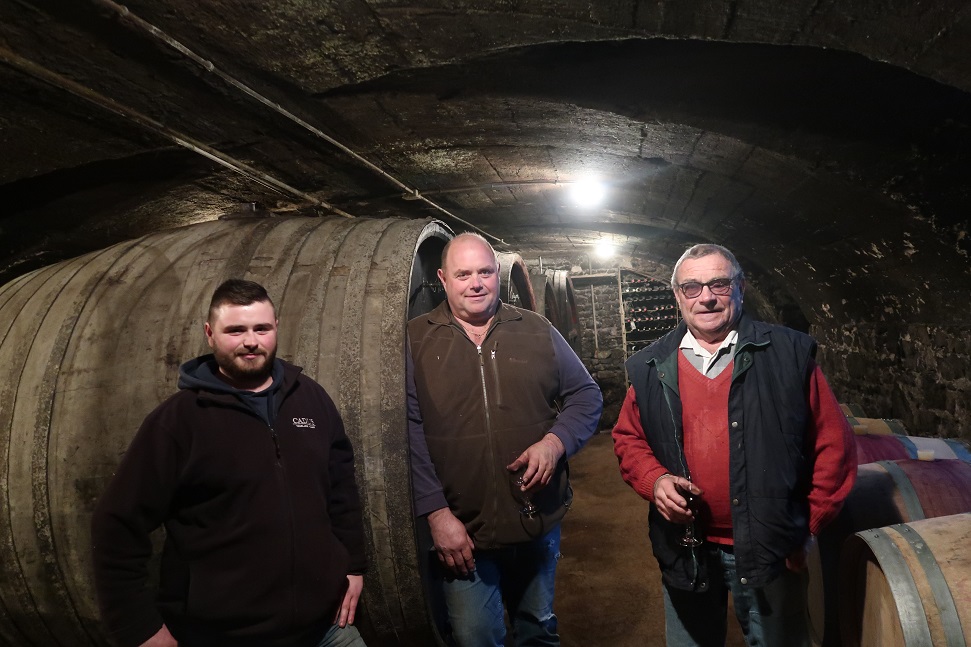
In 2013 his son Alexis joined the domaine following enological studies. In 2018, Alexis’ older sister Caroline also joined the domaine, and now the commercial side is mostly handled by her and her mother Ghislaine, while the vines and cellar are mostly handled by Olivier and Alexis (with the aid of patriarch Maurice, Olivier’s father, who still is out in the vines pruning—apparently much faster than either his son or grandson). But everyone does a bit of everything.
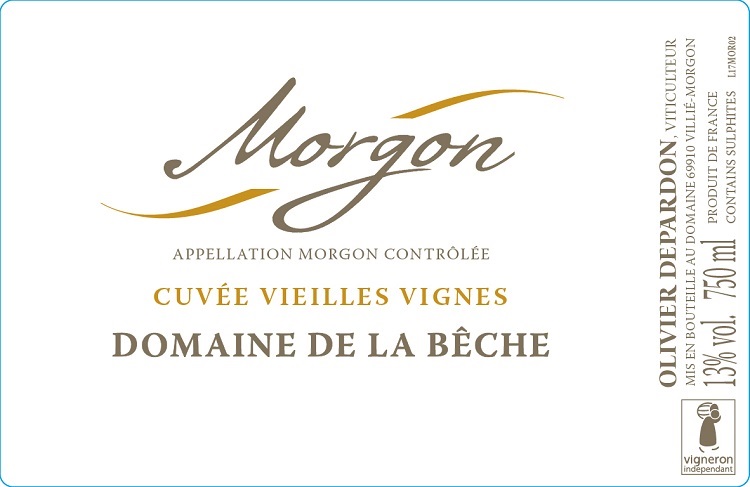
The domaine is unique in the appellation for having vines in all six of Morgon’s climats. They are Les Charmes, Côte du Py, Corcellette, Douby, Grand Cras, and Micouds, and grapes from each go into the Morgon Vieille Vignes cuvée. In that sense, this cuvée qualifies as the most representative Morgon of all, and it certainly supports the notion that Morgon, along with Moulin-à-Vent, is the densest and longest-lived of the Beaujolais crus.
Locals refer to the appellation’s soils as roche pourrie, or rotten rock, because it’s particularly weathered. It’s also iron-rich, which has to do with its diverse geology—the soils here are not simply granitic, but rather a mix, especially around Côte du Py, of schist, granite, and even metamorphosed andesite (the so-called “blue granite” of Côte du Py and of that other extinct volcano, Côte du Brouilly).
Following Brouilly, Morgon is the second largest of Beaujolais’ ten crus.
The Wines
| Wine | Blend | Description |
|---|---|---|
| Régnié | Gamay | The domaine farms ten acres in this high elevation appellation just southwest of Morgon. The vines are all head-pruned (as are all of the domaine's Gamay), average 50 years and grow on a steep, south-facing hillside of sandy granitic soil. The grapes are hand harvested, de-stemmed but not crushed, and ferments are spontaneous. The élevage is a relatively short one of six or so months in concrete vats, making for an especially exuberant wine of crisp red berry fruit. Production averages 1,670 cases. Tech sheet here. |
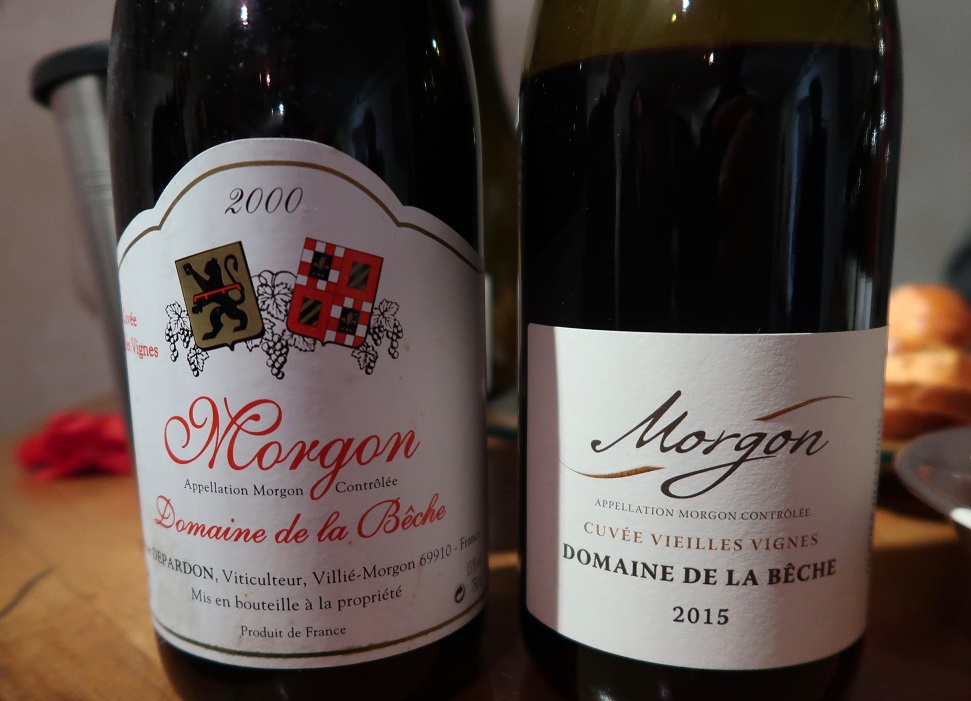
| Morgon Vieilles Vignes | Gamay | This comes from 27 acres of 70-100 year-old vines growing across Morgon’s six climats. All the grapes are hand harvested, de-stemmed and fermented with indigenous yeast. Most of the wine is raised in very large foudres of 5- and 6,000-liters for nine to ten months, while about 5% is aged in older 225-liter barrels. This is an especially dense, dark Morgon. No fining; light filtration at bottling. Production averages 7,500 cases. Tech sheet here. |
| Morgon Ardevel | Gamay | Ardevel is a lieu-dit sandwiched between the lieux-dits of La Bêche and Grandes Terres/Aux Charmes on the western border of the appellation. Ardevel used to be grouped with Aux Charmes and could be marketed as such (much like any one of the 19 lieux-dits of Chassagne-Montrachet's Morgeots can be labeled Morgeots if the grower desires), but recently the authorities put an end to that. So now what the domaine used to label as Charmes is now more specifically labeled as Ardevel, where the Depardons tend five acres of very old vines, most being 100-years-old give or take. Soils are granite with schist and sandy clays. Like all of the domaine's vineyards, this is hand-harvested, de-stemmed, allowed to ferment spontaneously à la Bourguignonne, or as is done in Burgundy (i.e., no carbonic). This cuvée is aged for some 12 months in 225L barrels ranging from two to eight years old, with roughly 10% being new. It's an age-worthy Beaujolais with excellent definition and spice. ~800 cases. |
| Morgon Côte du Py | Gamay | This is labeled under the family name rather than the domaine name for inheritance and tax reasons. Py is a collapsed volcano cone, a great mound dominating the landscape just south of the town of Villié-Morgon, and it is composed primarily of schist with some granite and blue-stoned andesite. The southern end of this mound is considered the best zone for vines—it has the best exposition plus it’s the rockiest (super rocky!), whereas the northern end is much sandier—and the Depardons have all of their 7.5 acres in three parcels on the southern end, facing south and southeast. The grapes are hand harvested, de-stemmed, fermented with indigenous yeast, and the wine is raised for nine to ten months entirely in foudres of 5- to 6,000-liters. The Depardon’s Côte du Py is all about finesse and concentrated elegance. No fining; light filtration at bottling. Production averages 1,800 cases. Tech sheet here |